Ein Toter Hahn Wird Selten Fett: A Widow's Perilous Quest for Truth
The sudden death of a loved one can be a devastating blow, often compounded by the labyrinthine complexities of their final affairs. But what happens when that grief is hijacked by anonymous threats, brutal murder, and the shattering revelation that your late spouse, whom you believed to be a respectable pillar of the community, was entangled in a web of dark financial secrets? This is the harrowing premise of Ein Toter Hahn Wird Selten Fett (A Dead Rooster Seldom Gets Fat), a gripping 2000 WDR radio play by the acclaimed Jutta Motz. Far more than a simple whodunit, this masterful Hörspiel plunges listeners into a desperate widow's fight for survival and truth, where every answer unearthed only reveals deeper layers of deceit.
The title itself, Ein Toter Hahn Wird Selten Fett, is a poignant German proverb, roughly translating to "A dead rooster seldom gets fat." It elegantly foreshadows the narrative's core theme: dishonesty and illicit gains ultimately lead to a barren, unfulfilling end, particularly when the truth is exposed posthumously. This isn't just a story about money; it's a profound exploration of identity, betrayal, and the lengths one woman must go to reclaim her life from the shadows of her husband's hidden legacy.
The Shadow of a "Clean Slate": Unraveling Deception
Ruth's world is irrevocably altered by a sudden heart attack that claims her husband. For years, she knew him as little more than an "empty lawyer's face," a distant presence at breakfast and dinner, consumed by his profession. The illusion of their conventional life, sustained by a grand villa and two children in boarding school, crumbles almost immediately. What her husband leaves behind is a tangled mess: significant debts, a stark contrast to the affluent facade he maintained, and, most disturbingly, a barrage of anonymous death threats directed at Ruth herself.
These chilling, disguised calls issue a terrifying command: hand over documents pertaining to a secret account. Ruth, bewildered, has no knowledge of such an account, yet the threats are relentless. This inexplicable demand forces her to confront an unsettling truth: the "clean slate" of her seemingly upright husband is riddled with holes. As she delves into his law firm, searching for clues, the man she thought she knew dissolves into a stranger, leaving behind a trail of unanswered questions and mounting peril. The comfortable life she once knew is replaced by a chilling uncertainty, forcing her to question everything she believed about her marriage and the man she shared her life with.
A Descent into Danger: Murder, Millions, and a Widow's Allies
The stakes escalate dramatically when Ruth discovers Klaus Rennert, her husband's estate executor, brutally murdered in her own hotel room. This gruesome act transforms her quest for answers into a fight for survival. No longer merely dealing with financial discrepancies, Ruth is now a prime target, entangled in a deadly conspiracy that reaches far beyond personal betrayal. The murder of Rennert signals that powerful and ruthless forces are at play, determined to keep their secrets buried.
Fortunately, Ruth is not alone. She finds unwavering support in her two formidable friends: Dr. Almuth Scherf, an unconventional pediatrician with sharp instincts, and Dr. Marlene Neugebauer, a legally shrewd journalist. Their diverse skills and unwavering loyalty prove invaluable as Ruth navigates the treacherous landscape of her late husband's secret life. Almuth offers emotional support and a grounding perspective, while Marlene leverages her investigative acumen and legal understanding to help decipher complex documents and unearth hidden connections. Together, they form a formidable trio, facing down the unknown with courage and cunning.
At the heart of this unfolding drama is a staggering sum: 17 million. This colossal amount clarifies the ruthlessness of her adversaries and underscores the gravity of the secret account. The revelation of such wealth, concealed behind a veil of debt and a mundane marriage, paints a chilling picture of her husband's double life. To understand the intricacies of this high-stakes financial crime and the executor's grim fate, delve deeper into Jutta Motz's Hörspiel Mystery: 17 Million and a Murdered Executor.
The Swiss Connection: A Labyrinth of Dark Machenschaften
As Ruth and her friends piece together the fragments of evidence, the trail leads them inevitably to Switzerland. The choice of Switzerland as a backdrop is a classic trope in crime fiction, synonymous with banking secrecy, intricate financial networks, and a long-standing reputation for discreet wealth management. This setting instantly imbues the narrative with an atmosphere of international intrigue and high-stakes financial maneuvering. The journey takes them through a stark landscape of impersonal hotel halls, sterile conference rooms, and intimidating business offices – environments where fortunes are made and lost, and secrets are meticulously guarded.
The central, agonizing question for Ruth becomes: Does a secret account belonging to her deceased husband truly lie hidden within the hallowed, secretive vaults of a Swiss bank? The pursuit of this answer exposes not only his past deceptions but also an intricate web of "dark machenschaften" – shadowy dealings and illicit activities that ripple far beyond personal betrayal. As the investigation deepens, another body surfaces, underscoring the lethal nature of the conspiracy and the desperate measures taken to protect the 17 million. The sheer scale of the deception, intertwined with murder and international finance, transforms Ruth's personal tragedy into a gripping, high-stakes thriller.
Understanding how a hidden fortune and perilous secrets connect to this infamous banking hub is crucial. Explore the depths of this mystery further by reading about Unraveling Ruth's Deadly Inheritance: The Secret Swiss Account.
The Allure of Financial Secrecy in Fiction and Reality
The trope of the secret Swiss bank account resonates deeply because it taps into real-world concerns about financial transparency, offshore wealth, and the often-blurred lines between legitimate discretion and illicit concealment. While Swiss banking has evolved significantly since the era depicted in Ein Toter Hahn Wird Selten Fett, stories like Motz's brilliantly exploit the inherent drama in chasing hidden money in a jurisdiction historically known for its banking secrecy. These narratives remind us that financial crimes are rarely victimless, often leaving a trail of personal devastation and wider societal impact. The allure lies in imagining the power and danger associated with such hidden fortunes, and the immense challenges of exposing them.Jutta Motz and the Art of the Hörspiel: Beyond the Page
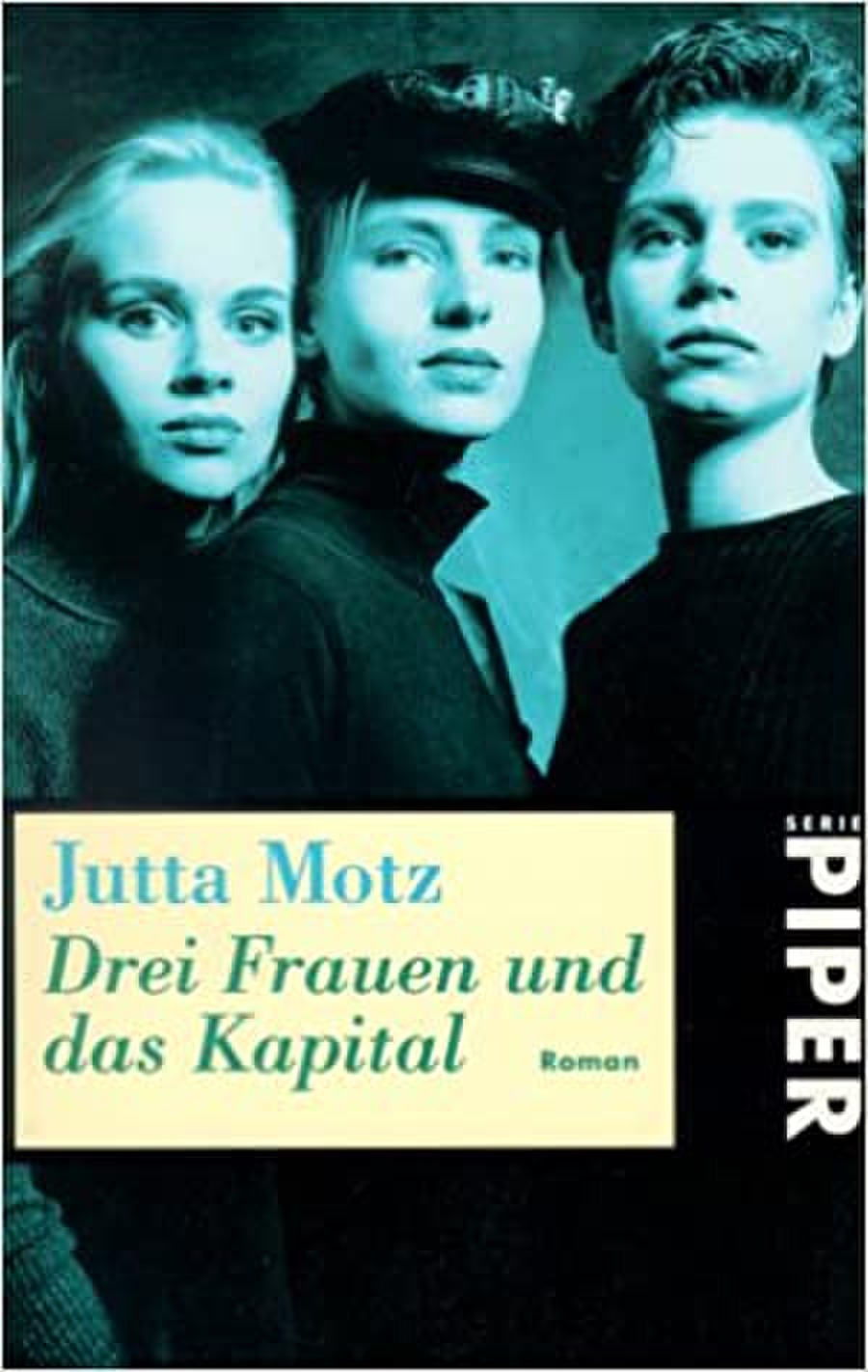
Jutta Motz, the brilliant mind behind Ein Toter Hahn Wird Selten Fett, brings a unique perspective to her crime narratives. Born in Frankfurt am Main in 1943, her academic background in art history and classical archaeology, coupled with a career in publishing (including editing a crime series) and a leadership role in an economic enterprise, provides her with a rich tapestry of experiences. This multidisciplinary background is evident in her writing, which often skillfully intertwines cultural sophistication with complex financial intrigues and psychological depth. Living in Zürich further grounds her understanding of the international financial landscape that frequently features in her work.
Ein Toter Hahn Wird Selten Fett is presented as a *Hörspiel*, or radio play, a genre particularly popular in Germany. This format is a testament to the power of sound storytelling. Without visuals, the listener's imagination is fully engaged, painting mental pictures evoked solely by dialogue, sound effects, and musical cues. The quality of the voice acting becomes paramount, and the WDR production of Motz's work boasts a remarkable ensemble cast, including Susanne Uhlen as the central character Ruth, Karlheinz Tafel as the chilling disguised voice, and Nina Hoger and Angelika Bartsch as Ruth's loyal friends. Each actor's nuanced performance breathes life into the characters, building tension and emotion through their vocal delivery alone.
Appreciating the Hörspiel Experience
For those unfamiliar with radio plays, Ein Toter Hahn Wird Selten Fett serves as an excellent entry point. The *Hörspiel* format offers a uniquely immersive and intimate listening experience. Unlike visual media, it encourages active participation from the audience, allowing them to construct their own interpretations of scenes and characters. It's a fantastic way to escape the visual overload of modern entertainment and engage with storytelling in its purest form. If you're seeking a narrative that stimulates your mind and imagination, exploring the rich world of German radio plays, or *Hörspiele*, is highly recommended. Many classic and contemporary productions are available online or through public broadcasting archives, offering hours of captivating audio drama.Conclusion
Ein Toter Hahn Wird Selten Fett is more than just a crime story; it's a profound journey into the unsettling depths of marital secrets, financial malfeasance, and personal courage. Jutta Motz crafts a compelling narrative that keeps listeners on the edge of their seats, not only through its intricate plot but also through its exploration of Ruth's transformation from a sheltered widow into a fierce seeker of truth. The Hörspiel brilliantly leverages its format, using masterful voice acting and atmospheric sound design to bring this complex tale of betrayal, murder, and high finance to vivid life. It reminds us that sometimes, the greatest dangers lie not in the unknown, but in the secrets held by those we thought we knew best, and that a dead rooster, indeed, seldom gets fat from ill-gotten gains.